The Products Customers Forget Until They Need Them: Where Outdoor Retailers Can Find Extra Sales This Fall
Published by By Larissa | North American Outdoor Supplies on 2026 Aug 14th
The Customer Came In for One Thing.
And then they remembered they needed three more.
Every outdoor retailer knows the scenario.
A customer walks through the door looking for a specific product. They know what they want, they've probably researched it already, and they're ready to buy.
Transaction over.
Except it doesn't have to be.
Because the primary product is often only part of the customer's actual need.
The optic needs an accessory.
The new piece of gear needs protection.
The hunting equipment needs maintenance.
The customer heading into the field realizes there are a few things they forgot.
Those forgotten products can represent some of the easiest sales in your store.
And more importantly, helping customers find them makes you a better retailer.
The Add-On Sale Isn't About "Selling More"
There's a difference between an add-on sale and simply pushing another product.
A bad add-on feels like:
"Do you want to buy this too?"
A good add-on feels like:
"Since you're using that for this, you're probably going to want this as well."
That's a completely different conversation.
The second approach is about knowledge.
And knowledge is one of the biggest advantages independent outdoor retailers have.
Your customers aren't just looking for products.
They're looking for someone who understands what they're trying to accomplish.
Think in Setups, Not Individual Products
One of the easiest merchandising changes a retailer can make is to stop thinking about individual SKUs and start thinking about complete setups.
Instead of:
Optic
Think:
Optic + mounting solution + protection + cleaning/maintenance
Instead of:
Hunting knife
Think:
Knife + sharpening + storage/protection
Instead of:
Outdoor tripod
Think:
Tripod + compatible mounting accessories + carrying/storage solution
The exact combination will depend on your customer and your product mix.
The principle is what matters:
What does the customer need to actually use the product successfully?
That question creates opportunities.
The "I Forgot That" Products
Some of the best add-on products aren't exciting.
They're simply useful.
Think about the products customers don't necessarily plan to buy until they realize they're missing them.
Things like:
-
Replacement or maintenance accessories
-
Protective cases and storage
-
Mounting hardware
-
Cleaning products
-
Batteries and power accessories
-
Small field tools
-
Replacement components
-
Carrying solutions
-
Weather-related accessories
-
Practical camp and outdoor accessories
These products may not generate the biggest individual sale.
But they're often easier purchases.
And when a customer is already standing at your counter with a larger purchase, adding a $15, $25 or $40 accessory can be a much easier decision than convincing them to make another major purchase.
Your Staff Can Make the Difference
This is where product knowledge becomes a sales tool.
Give your staff a simple question to ask:
"What are you using it for?"
That question opens the door.
A customer buying an optic for hunting has a different set of needs than someone using it at the range.
A customer buying a tripod for wildlife photography may need something completely different from someone using one for spotting.
A customer buying a knife for camp use has different priorities than someone preparing for a hunt.
The application determines the opportunity.
Train your staff to understand the customer first, then recommend the accessory.
That's how you avoid sounding like you're simply trying to increase the invoice.
Build a "Don't Forget This" Section
Here's an easy merchandising idea retailers can test this fall.
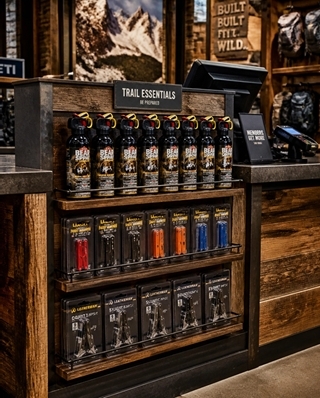
Create a small section or display around the idea:
DON'T FORGET THESE
Not a clearance section.
Not a random collection of accessories.
A curated group of products customers commonly need after they purchase their primary gear.
You can even organize it around activities:
Getting Ready for the Hunt
Small accessories, maintenance products and field essentials.
Optics & Observation
Mounting, protection, cleaning and carrying solutions.
Camp & Backcountry
Lighting, tools, storage and practical accessories.
Gear Maintenance
Products that help customers protect the equipment they've already invested in.
The goal is to make the customer think:
"Oh — I actually need that."
That's a successful display.
Use Your Website the Same Way
This strategy isn't limited to the physical store.
Your online store can do exactly the same thing.
If a customer is viewing a major product, think about what related products should appear beside it.
Don't simply show:
Related Products
Think:
COMPLETE YOUR SETUP
That language changes the customer's mindset.
You're no longer suggesting random products.
You're helping them finish the job.
For wholesale retailers, this is also an opportunity to organize purchasing around product families rather than individual items.
The Canadian Fall Factor
Fall is particularly well suited to this strategy.
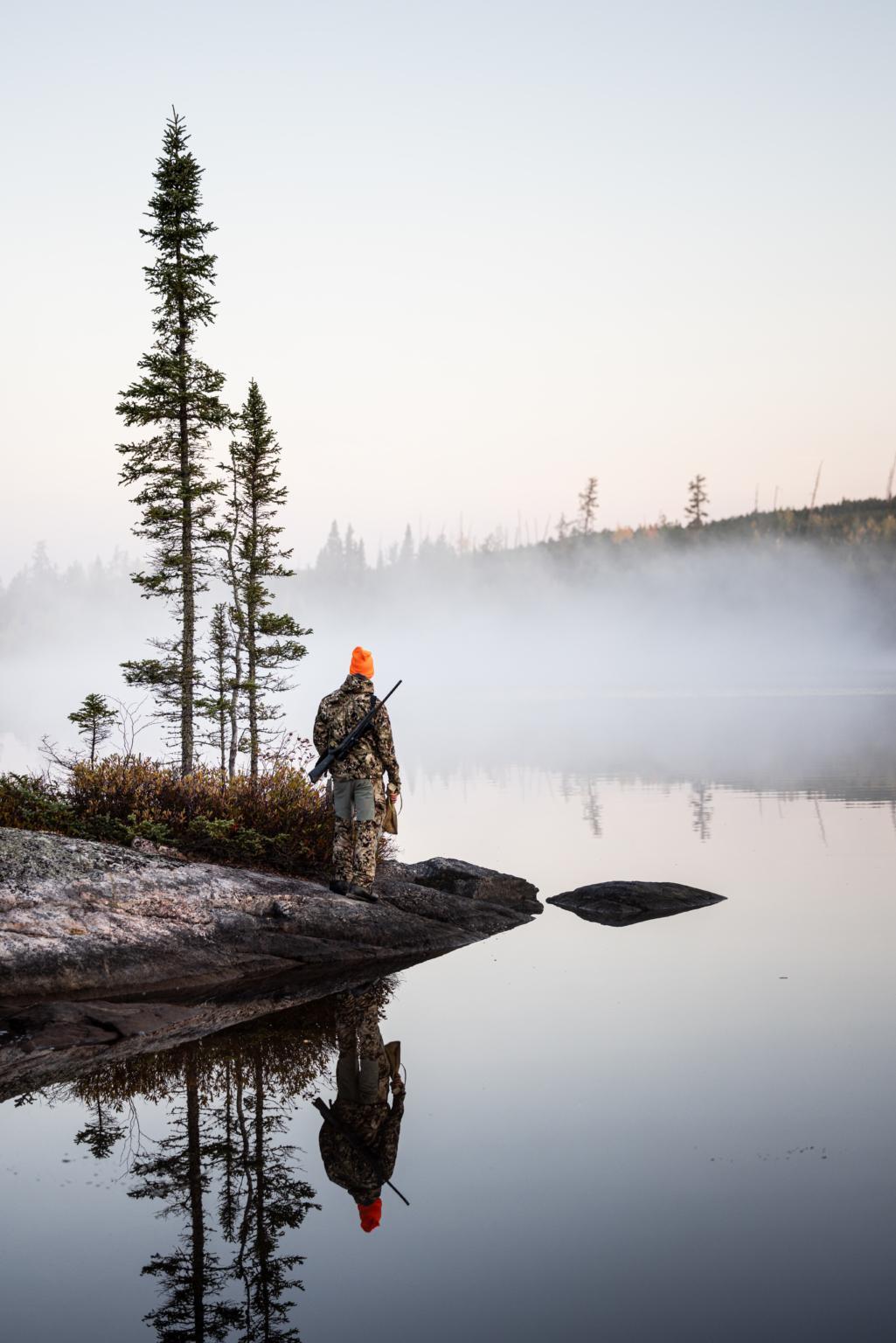
Customers are preparing for hunting season, changing weather and more demanding outdoor conditions.
That creates natural opportunities for retailers to talk about:
Preparation.
Instead of waiting for the customer to discover they forgot something in the field, help them prepare before they leave.
A knowledgeable recommendation today can prevent a frustrating problem tomorrow.
And that builds something much more valuable than one extra sale:
trust.
Don't Turn Your Store Into a Warehouse
There's one important warning.
More accessories doesn't automatically mean better merchandising.
A cluttered wall with hundreds of small products isn't helpful.
Customers don't want to study your entire inventory.
They want you to make the decision easier.
Choose the accessories that:
-
Solve a real customer problem
-
Work with products you already sell
-
Have a clear use case
-
Are easy for staff to explain
-
Make sense for your local customer base
-
Can reasonably be reordered when they move
The goal isn't more SKUs.
The goal is better product relationships.
Your Distributor Should Help You Think This Way
This is also where your wholesale partner matters.
A distributor shouldn't only provide a catalog and a price list.
The real value comes from understanding how products work together.
If you know that customers buying one category frequently need products from another category, that information can influence how you stock, merchandise and sell.
Wholesale should help retailers answer questions like:
What should I stock together?
What accessories complement this category?
What products make sense for fall?
What can I reorder quickly when something takes off?
The strongest retailer-distributor relationships aren't simply transactional.
They're collaborative.
The Easiest Sale Might Be the One Your Customer Didn't Know They Needed
The next time a customer walks into your store looking for one product, don't immediately think about what else you can sell them.
Think about what else they need.
That's the difference.
Because the best add-on sale isn't the product that increases the invoice.
It's the product that makes the customer's original purchase work better.
And when customers leave your store feeling like you helped them prepare properly, they'll remember that experience the next time they're getting ready for the outdoors.
That's how a transaction becomes a relationship.
For Retailers: Try This Before the Fall Rush
Take your 20 best-selling seasonal products.
For each one, write down:
What does the customer need before they use it?
What could go wrong if they aren't prepared?
What accessory makes the experience better?
What maintenance product protects their investment?
Then look at your inventory.
You may find that some of your easiest sales are already sitting on your shelves.
They just aren't being presented as solutions.
NAOS: More Than a Wholesale Supplier
At North American Outdoor Supplies, we believe wholesale is about more than filling orders.
It's about helping outdoor retailers build smarter assortments, understand seasonal opportunities and give their customers the products and knowledge they need to get outside prepared.
Because when your customers succeed, your business does too.