
The Late-Fall Opportunity: How Outdoor Retailers Can Keep Customers Ready for the Season
Published by By Larissa | North American Outdoor Supplies on 2026 Oct 19th
Fall Isn't Over. Your Customers Are Still Getting Ready.
October is when the outdoor season starts asking more of everyone.
Mornings get colder. Daylight gets shorter. Conditions change quickly, and hunters begin paying closer attention to the gear they depend on. A forgotten accessory or a piece of equipment that needs maintenance can suddenly become a priority.
For outdoor retailers, this creates an important opportunity.
Your customers aren't necessarily looking to replace everything they own. Often, they're looking for the products that make their existing equipment more useful, dependable and ready for the conditions ahead.
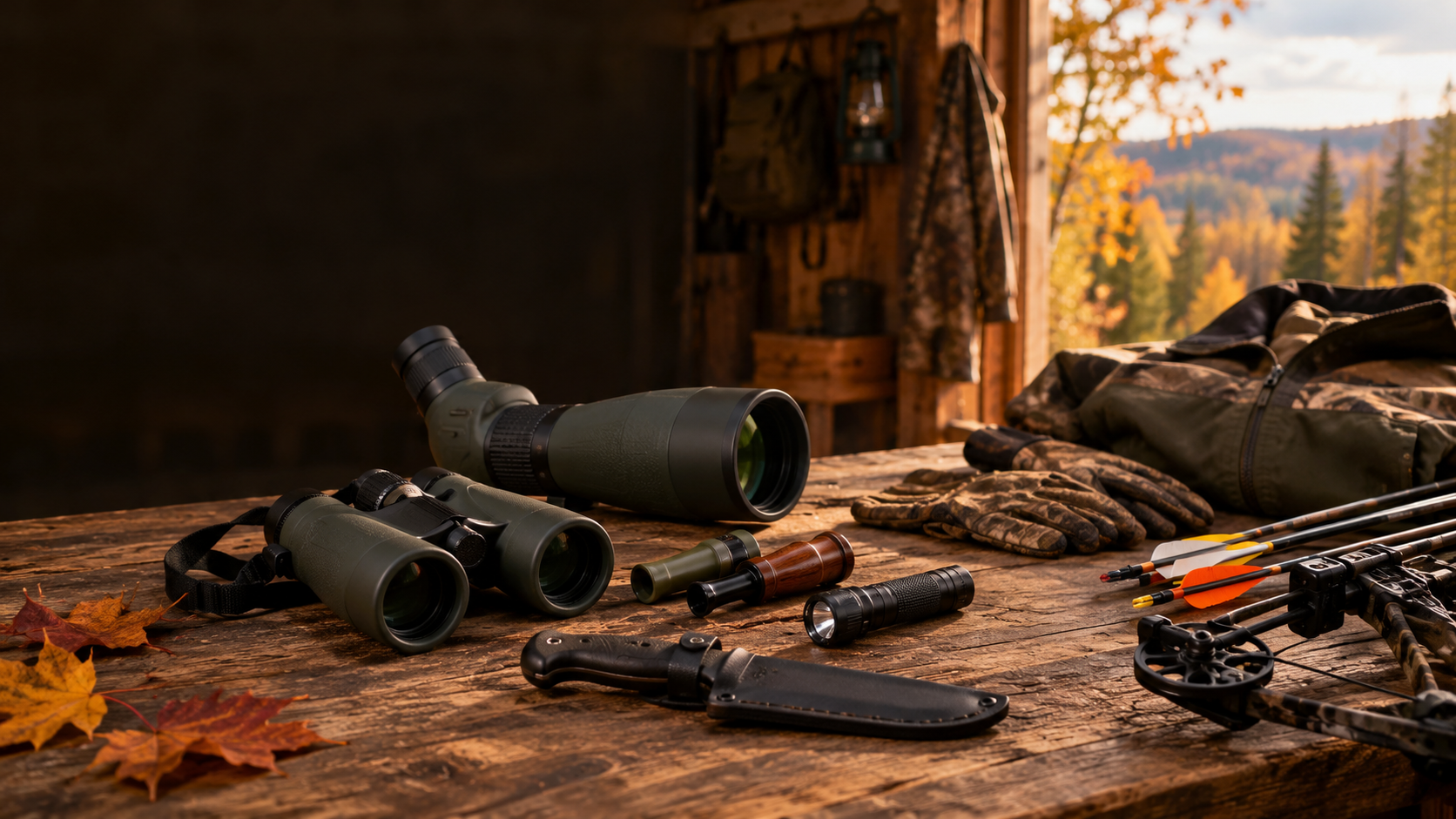
That might mean a hunting call, an optic accessory, replacement archery components, a reliable knife, a sharpening tool or practical equipment for spending longer days outdoors.
The retailers who recognize these smaller, practical needs can create valuable sales opportunities while giving customers a better shopping experience.
At North American Outdoor Supplies, we believe wholesale distribution should help you do more than fill shelves. It should help you respond to your customers, build a thoughtful inventory mix and prepare for the next opportunity.
1. Stock the Products That Solve Real Problems
When seasonal demand changes, it can be tempting to focus entirely on the biggest products or the most obvious hunting essentials.
But some of the most useful retail opportunities are found in the supporting products.
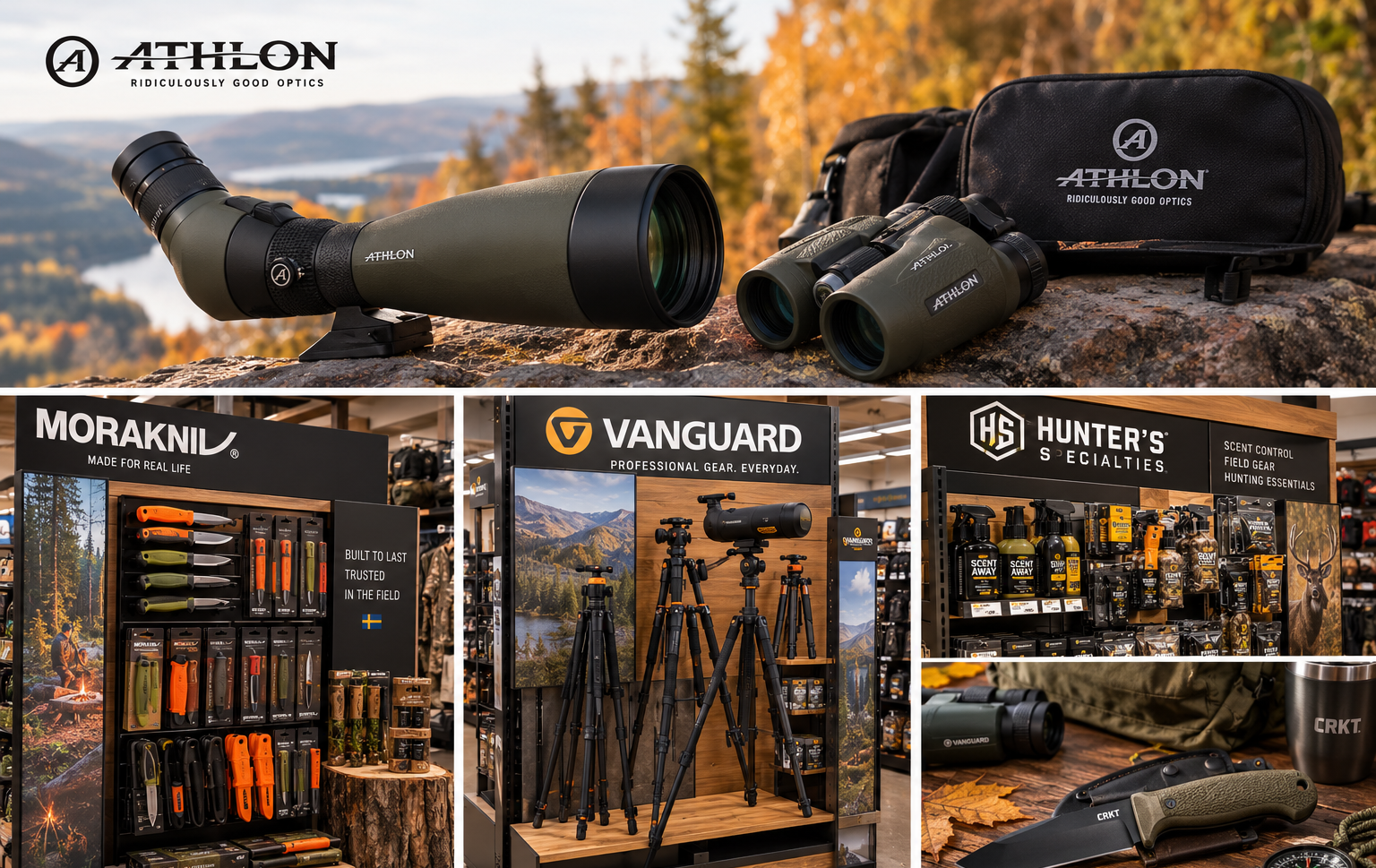
Consider the customer who already owns a quality optic. They may need lens-cleaning supplies, a protective cover or compatible accessories. An archer preparing for another outing may be looking for arrow components, bow-maintenance products or replacement accessories. A hunter heading into colder conditions may need a dependable knife, a sharpener or additional field equipment.
These are practical purchases with a clear purpose.
For your store, the opportunity is to make those products easy to discover and understand.
Try organizing a seasonal display around customer needs rather than simply grouping products by brand:
-
Ready for the Hunt: Hunting calls, field knives and essential accessories.
-
Protect Your Optics: Lens-care products, scope protection and compatible accessories.
-
Archery Maintenance: Arrow components, bow accessories and maintenance supplies.
-
Field-Ready Essentials: Sharpeners, tools, lighting and practical outdoor equipment.
The exact assortment will depend on your location, customers and available inventory. Start with the products that complement your strongest sellers and address questions your staff hear regularly.
The objective isn't to stock more for the sake of stocking more. It's to make every product earn its place.
2. Make Cold-Weather Preparation Part of the Sales Conversation
Across Canada, late-fall conditions can change dramatically from one region to another. Some customers are preparing for colder hunting trips, while others are still enjoying relatively mild days outdoors.
That variability makes local knowledge especially valuable.
Instead of assuming every customer needs the same seasonal setup, encourage your team to ask a few simple questions:
-
Where will you be using your equipment?
-
What conditions are you preparing for?
-
Is there anything in your current setup that needs replacing or maintaining?
-
Do you already have the accessories required to use your new gear?
These questions help staff recommend products that make sense for the customer's plans.
They also create natural opportunities to introduce related products without turning the conversation into a hard sell.
A customer purchasing a hunting accessory may benefit from a suitable maintenance product. Someone investing in optics may appreciate advice on protection and care. An archer may need compatible replacement components before heading back into the field.
Good retail service starts with understanding the customer. The right product recommendation follows.
3. Protect Your Cash Flow While Keeping Your Shelves Relevant
Seasonal buying involves a balancing act.
Order too little and you risk missing sales when customers need a product. Order too much and you can end up with capital tied up in inventory long after demand has moved on.
For independent outdoor retailers, that balance matters.
October is a useful time to review what has actually sold, what customers are asking for now and which products may continue moving into winter.
Start with three questions:
What's moving? Review recent sales and replenish proven sellers where it makes sense.
What's missing? Identify frequently requested products, complementary accessories and gaps in your current assortment.
What's slowing down? Review products that have remained on the shelf and consider whether better merchandising, staff education or a revised purchasing strategy would help.
Don't rely on last year's numbers alone. Use them alongside current sales, customer feedback, regional conditions and supplier availability.
It is also worth leaving room in your purchasing budget for unexpected demand. A flexible inventory plan gives you more options when customer preferences change.
The goal is not to predict every sale. It's to make informed decisions while keeping your business ready to respond.
4. Turn Product Knowledge Into a Competitive Advantage
Independent retailers have an advantage that goes beyond the products on their shelves: they know their customers.
You understand the local terrain, the activities customers enjoy and the questions they ask before making a purchase. Your staff can explain the differences between products and help customers choose equipment that suits their needs.
Make that knowledge visible.
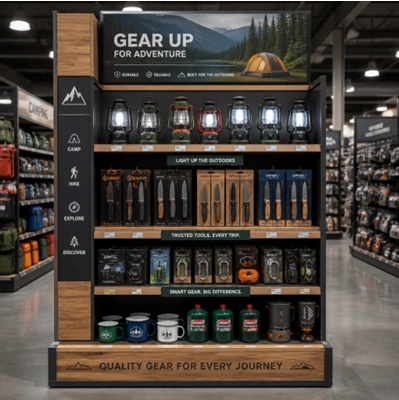
Use short social media posts to explain the purpose of a product. Create a counter display featuring accessories that complement popular items. Train staff to demonstrate maintenance products and explain compatibility. Update online product descriptions so customers can understand the features and intended applications before they visit your store.
Even a simple weekly feature can help:
“Field Essential of the Week”
Choose one product, explain the problem it solves, identify who might benefit from it and suggest compatible accessories where appropriate.
This approach gives customers useful information while helping your store build a reputation as a knowledgeable local resource.
It also makes your inventory work harder. Products that might otherwise be overlooked become part of a practical conversation about preparing for the outdoors.
5. Choose a Wholesale Partner That Understands Your Business
Your supplier plays an important role in how effectively you serve your customers.
You need access to relevant products, clear product information and a straightforward ordering experience. You also need to make purchasing decisions that reflect your business's size, customer base and budget.
A strong wholesale relationship should support those decisions, not complicate them.
At North American Outdoor Supplies, we serve approved dealers and industry professionals with a range of outdoor, hunting, archery and shooting-related products. Our wholesale model is built around the needs of businesses supplying Canada's outdoor market.
Whether you're reviewing hunting accessories, looking for archery components or filling gaps in your outdoor equipment assortment, our online catalogue gives approved dealers a place to explore available products and plan their purchasing.
As you review your next order, consider the broader value of your supplier relationship:
-
Does the product range fit your customers?
-
Can you identify products that complement your current bestsellers?
-
Are you balancing seasonal opportunities with responsible purchasing?
-
Can you find the product information you need to make informed decisions?
-
Is your wholesale ordering process helping you manage your time effectively?
The right partnership should make it easier to focus on what you do best: serving your customers and growing your business.
6. Start Preparing for the Season That Comes Next
Late fall is also a useful time to look beyond the immediate hunting rush.
As conditions change, customers may begin shifting their attention toward winter outdoor activities, equipment maintenance, gifts for outdoor enthusiasts and planning for the next season.
That doesn't mean abandoning your current priorities. It means watching for the next demand signal while continuing to serve the customers already walking through your door.
Review your product categories. Check which accessories are selling alongside your core products. Look for opportunities to refresh displays and educate customers about equipment care. Keep an eye on products that may remain relevant after the main fall hunting period.
A well-planned assortment should reflect both what customers need today and what they are likely to ask for next.
You don't need to carry everything. You need the right mix for your market, supported by a purchasing strategy that gives your business room to adapt.
Let's Make the Season Count
Running an outdoor retail business means balancing customer service, seasonal demand, inventory decisions and cash flow — often all at once.
You know your customers. You know your market. You know the products that keep them coming back.
Your wholesale partner should help you put that knowledge to work.
North American Outdoor Supplies is here to support approved dealers looking for outdoor equipment, hunting supplies, archery products and practical accessories for their customers.
Explore the NAOS catalogue, review your seasonal inventory and identify the products that will help your store stay ready for what comes next.