
7 Mistakes You're Making with Wholesale Hunt ing Gear (and How to Fix Them)
2026 Jun 12th
In the outdoor retail industry, inventory is your greatest asset: but it’s also your greatest liability. For
independent dealers and hunting shop owners, the difference between a record-breaking season and
a warehouse full of "dead air" often comes down to how you manage your wholesale hunting gear.
The problem isn't usually a lack of customers; it’s a lack of inventory efficiency. When cash is tied up
in slow-moving "anchors" or you’re missing the "never-out" staples that drive daily traffic, your prof
itability takes a direct hit. In 2026, the retail landscape demands more precision than ever.
If your turnover has slowed or your margins are feeling the squeeze, you’re likely making one of these
seven common mistakes. Here’s how to identify them and, more importantly, how to fix them
1.Treating All SKUs as Equal (The ABC Trap)
One of the most common mistakes we see at North American Outdoor Supplies is retailers manag
ing a high-ticket $1,200 optic the same way they manage a $15 box of archery accessories.
Not all products are created equal. If you don't use ABC analysis, you’re likely over-stocking slow
movers and under-stocking the "bread and butter" items that keep the lights on.
• A-Items: High-velocity, high-impact sellers (core ammo, popular broadheads like G5, and top-tier
knives).
• B-Items: Moderate movement, often seasonal.
• C-Items: Niche products or extreme sizes that sell rarely.
The Fix: Assign different reorder rules for each category. Protect your A-items with higher safety
stock levels to ensure you never miss a sale on a "must-have" item.
2. Falling in Love with "Anchors" (Dead Stock)
Retailers often develop an emotional attachment to stock. Maybe you bought a premium line of wa
terfowl waders that didn’t move, or a specialized scent-control kit that’s been on the shelf for two
seasons. You keep it there because you "should" get full margin for it.
In reality, that product is an "anchor." It’s taking up valuable shelf space and, more importantly, it’s ty
ing up the cash you could be using to buy fast-moving sharpening tools or trending EDC gear.
The Fix: If it hasn’t moved in six months, it’s no longer a product; it’s a liability. Bundle it, mark it
down, or run a "Dealer Special" to clear the space. Liquidating dead stock at cost is better than letting
it sit for another year.
3. Buying on "Gut Feel" Instead of Data
Many store owners buy what they like. If you’re a lifelong bowhunter, you might over-index on
archery supplies while neglecting the growing camping and survival categories. Buying based on per
sonal preference or "gut feel" is a recipe for unbalanced inventory.
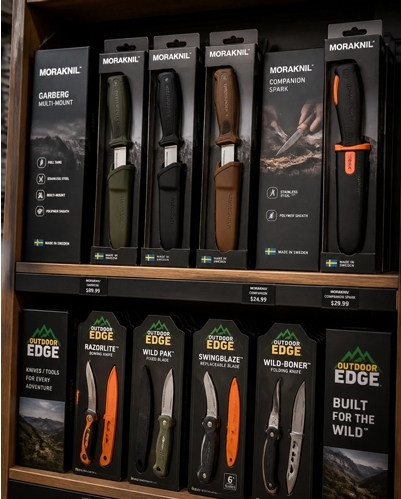
The Fix: Let your Point of Sale (POS) system tell the story. Run monthly reports on top-selling brands
and categories. If Morakniv is outperforming other blade brands 3-to-1, shift your budget accord
ingly. Data-driven buying ensures your shelves reflect what the customer wants, not just what you
find interesting.
4. Missing the "Lifestyle Crossover" Opportunity
A major trend for 2026 is "Versatility." Today’s hunter wants gear that works in the field but also looks
right at the hardware store or the local diner. If you only stock "extreme" camo and specialized tech
nical gear, you’re missing out on the 365-day-a-year customer.
The Fix: Incorporate "lifestyle crossover" items: technical flannels, neutral-toned outerwear, and high
quality knives from Outdoor Edge that double as everyday carry (EDC) tools. This keeps your store
relevant even when hunting season is months away.
5. Neglecting Add-on "Basket Fillers"
Too many dealers focus solely on the "Big Five" (firearms, optics, bows, clothing, and boots) and for
get the accessories. A customer buying a new hunting knife needs a sharpener. A hunter buying new
arrows needs broadheads.
If you don't stock the small stuff, your average transaction value stays low, and your customers are
forced to go elsewhere for the essentials.
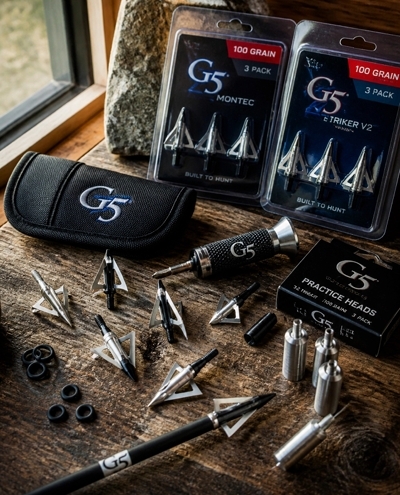
The Fix: Implement "Activity-Based Merchandising." Place sharpening tools next to your knife dis
plays and G5 broadheads next to the bows. These small, high-margin additions are the key to boost
ing your bottom line.
6. Underestimating Seasonal Lead Times
Waiting until August to order your whitetail season essentials is a mistake that leads to empty shelves
and lost revenue. With global supply chain fluctuations, "just-in-time" ordering is no longer a reliable
strategy for wholesale hunting gear.
The Fix: Work with your distributor: like us at North American Outdoor Supplies: to understand
lead times. Build a 12-month buying calendar that accounts for shipping delays and peak demand
spikes. Ordering early often unlocks better wholesale pricing and ensures you’re the first shop in
town with the new season's gear.
7. Lack of Staff Training on Technical Gear
You can have the best inventory in the world, but if your staff can’t explain the difference between a
fixed-blade Morakniv and a replaceable-blade Outdoor Edge, they won't sell it effectively. High
margin technical gear requires high-quality salesmanship.
The Fix: Dedicate one hour a week to product training. Focus on the USPs (Unique Selling Proposi
tions) of the brands you carry. When your staff can speak confidently about the edge retention of a
specific steel or the flight path of a G5 broadhead, your conversion rates will soar.
Practical Steps Retailers Can Take
To turn your inventory management around, start with these actionable steps:
1.Conduct an ABC Analysis: Identify your top 20% of SKUs that drive 80% of your revenue.
2. Audit Your "Anchors": Make a list of everything that hasn't sold in 180 days and create a plan to
liquidate it.
3. Set Par Levels: Establish minimum stock levels for "Never-Out" items (like core ammo and survival
supplies) and automate your reorders where possible.
4. Schedule Staff Training: Pick one brand per week (e.g., Morakniv) and ensure every employee
knows the key selling points.
5. Reorganize for Cross-Selling: Move small accessories (sharpeners, calls, broadheads) to high
traffic areas near their parent products.
6. Review 2026 Trends: Look at your apparel mix and ensure at least 20% of it has "lifestyle
crossover" appeal.
7. Consult Your Distributor: Reach out to your account manager at North American Outdoor Sup
plies to discuss upcoming trends and inventory availability for the next season.
Business Impact
Optimizing your wholesale hunting gear inventory isn't just about "cleaning up the shop": it’s about
cash flow. By reducing dead stock and focusing on high-velocity A-items, you free up capital to rein
vest in new growth categories. Retailers who master these seven areas typically see:
• Increased Turnover: Moving product faster means more profit cycles per year.
• Higher Margins: Reduced need for desperate, store-wide clearances.
• Better Customer Loyalty: Being the store that "always has it in stock" builds trust that keeps cus
tomers coming back.
Ready to Optimize Your Inventory?
At North American Outdoor Supplies, we are more than just a wholesaler. We are a partner in your
retail growth. From curated brand selections like G5, Morakniv, and Outdoor Edge to our stream
lined dealer approval process, we help you stock exactly what your customers are looking for.
Apply for a Dealer Account Today and let’s build a more profitable outdoor business together.
• Shop Premium Hunting Knives
• Wholesale Archery Supplies
• Sharpening Tools & Accessories
• Dealer-Only Outdoor Gear